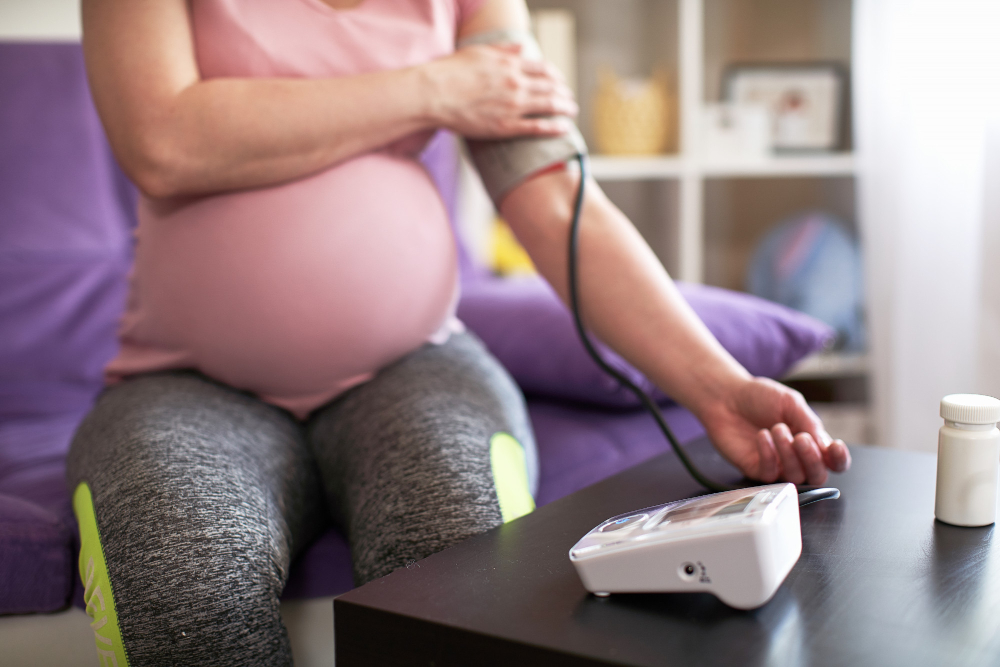
What is Preeclampsia?
Preeclampsia is a health problem that can happen during pregnancy. It causes high blood pressure and can harm organs like the liver and kidneys. Doctors often check for preeclampsia during routine visits. Early care is important because this condition can affect both mother and baby. It can also develop after delivery, but that is less common. While mild cases may not show many signs, severe preeclampsia can be dangerous. Therefore, regular checkups help spot problems early.
Symptoms of Preeclampsia
Many women with preeclampsia do not feel sick at first. However, some symptoms can appear as the condition gets worse. For example, you may notice:
Sometimes, symptoms can be mild. But if you notice any of these signs, contact your doctor right away. Early action can help prevent serious problems.
Causes and Risk Factors
Doctors do not know the exact cause of preeclampsia. However, several factors can raise your risk. For instance, you may be more likely to get preeclampsia if you:
In addition, some research suggests that problems with blood flow to the placenta may play a role. The World Health Organization notes that both genetics and lifestyle can affect your risk. Because of this, knowing your risk factors helps you and your doctor watch for early signs.
How Preeclampsia is Diagnosed
Doctors use several steps to diagnose preeclampsia. First, they check your blood pressure at every prenatal visit. If your blood pressure is high, they may look for other signs. For example, they may test your urine for protein. Too much protein in urine can be a sign of kidney problems. In addition, your doctor may order blood tests to check your liver and kidney function. Sometimes, they may use an ultrasound to see how your baby is growing. If you have symptoms like headaches or vision changes, tell your doctor right away. Early diagnosis can lower the risk of serious health issues for you and your baby.
Treatment Options
Treatment for preeclampsia depends on how severe it is and how far along you are in pregnancy. For mild cases, your doctor may suggest:
However, if preeclampsia is severe, you may need to stay in the hospital. Sometimes, doctors give medicines to help the baby’s lungs mature. Delivery is the only cure for preeclampsia. Therefore, your doctor may recommend early delivery if your health or your baby’s health is at risk. Neurology and preeclampsia are linked because severe cases can affect the brain, causing headaches or even seizures.
Prevention and Lifestyle Tips
While you cannot always prevent preeclampsia, some steps may lower your risk. For example, you can:
In addition, talk to your doctor about your risk factors. They may suggest low-dose aspirin or other steps if you are at high risk. By following these tips, you can help protect your health and your baby’s well-being.
Preeclampsia is a pregnancy-related condition that requires timely attention and regular monitoring. Recognising warning signs like high blood pressure, swelling, or severe headaches can help ensure appropriate care for both mother and baby. With early diagnosis and proper medical guidance, pregnancy can be managed safely.
Have concerns about pregnancy-related symptoms or blood pressure changes?
Consult Dr. Ramesh for expert guidance and personalised pregnancy care.