What is Pneumonia?
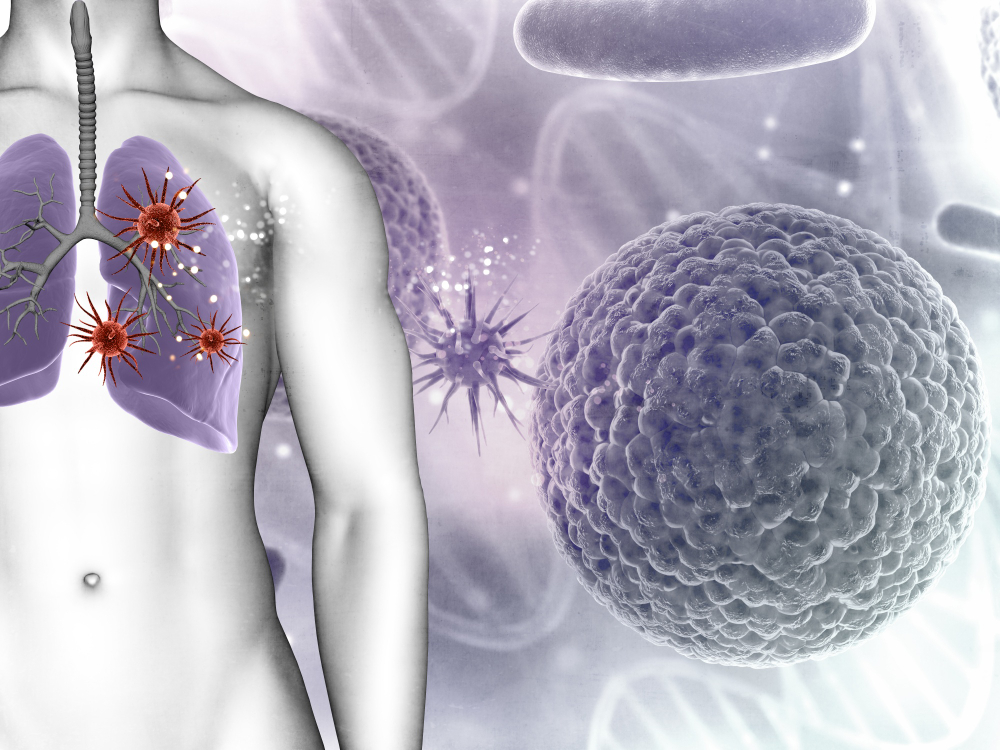
Pneumonia is a lung infection that can make it hard to breathe. It happens when germs cause the air sacs in your lungs to fill with fluid or pus. Because of this, you may cough, have a fever, or feel tired. Pneumonia can be mild or very serious. In the USA, it affects millions each year. Early care helps prevent problems. Understanding viral vs bacterial pneumonia is important for proper treatment.
Viral vs Bacterial Pneumonia: Key Differences
Not all pneumonia is the same. Some cases are caused by viruses, while others are caused by bacteria. Knowing the difference between viral and bacterial pneumonia helps doctors choose the right treatment. Here are the main differences:
Common Symptoms
Pneumonia symptoms can vary, but many people notice these signs. If you have any of these, you should pay close attention:
Although symptoms may be mild at first, they can get worse quickly. For this reason, early care is important.
Causes and Risk Factors
Pneumonia can affect anyone. However, some people are at higher risk. Here are common causes and risk factors:
Because these factors raise your risk, it is important to know how to prevent pneumonia.
Diagnosis Methods
Doctors use several methods to diagnose pneumonia. First, they ask about your symptoms and health history. Next, they may:
Because viral vs bacterial pneumonia need different treatments, finding the cause is important. Sometimes, more tests are needed if symptoms are severe.
Treatment Options
Treatment depends on the type of pneumonia. For bacterial pneumonia, doctors usually prescribe antibiotics. These help clear the infection. However, antibiotics do not work for viral pneumonia. Instead, doctors may suggest:
Because early treatment helps prevent problems, always follow your doctor’s advice. Most people recover at home, but some may need extra care.
Prevention Tips
Although pneumonia can be serious, you can lower your risk. Here are some simple ways to help prevent pneumonia:
Because prevention is easier than treatment, these steps are important for everyone.
When to See a Doctor
Sometimes, pneumonia can get worse quickly. You should see a doctor if you:
For young children, older adults, or people with other health problems, early care is even more important. Because pneumonia can be life-threatening, do not wait to get help.
If you or a loved one have symptoms of pneumonia, consult Dr. Ramesh for personalized advice.