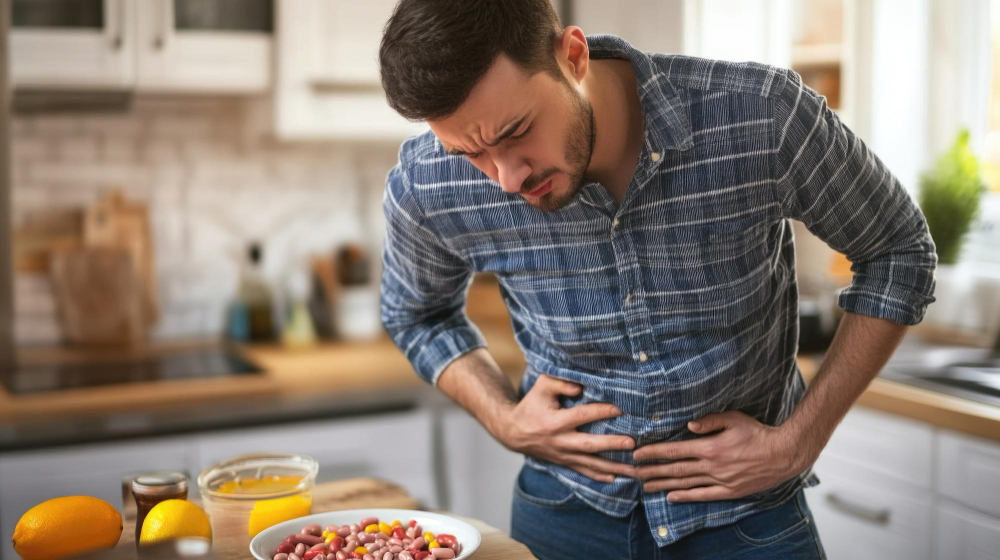
Introduction
Food poisoning is a common illness that happens when you eat food or drink water that contains harmful germs. These germs can include bacteria, viruses, or parasites. Sometimes, chemicals or toxins in food can also cause problems. In many places, food poisoning affects millions every year. For example, the Centers for Disease Control and Prevention (CDC) says that about 48 million people in the United States get sick from foodborne illness each year. Because food poisoning can happen to anyone, it is important to know the signs, causes, and ways to prevent it.
Symptoms of Food Poisoning
Often, symptoms of food poisoning start within hours after eating contaminated food. However, sometimes they may appear days later. While symptoms can vary, most people experience some common signs. For instance, you may notice:
In some cases, symptoms can be mild. Yet, for young children, older adults, pregnant women, or people with weak immune systems, food poisoning can be more serious. If you have severe symptoms, such as high fever, blood in your stool, or signs of dehydration, you should seek medical help right away.
Common Causes and Risk Factors
Many things can cause food poisoning. Most often, germs like Salmonella, E. coli, or Norovirus are to blame. Sometimes, toxins from bacteria or chemicals in food can also make you sick. Because food can be contaminated at any stage, from farm to table, it is important to handle food safely. Common causes include:
Some people are at higher risk for foodborne illness. For example, children under five, adults over 65, pregnant women, and people with chronic illnesses are more likely to get very sick. In certain areas, food poisoning may be more common due to poor water quality or limited access to refrigeration.
How Food Poisoning is Diagnosed
Doctors can often diagnose food poisoning by asking about your symptoms and what you have eaten recently. However, sometimes they may need to do tests. For example, they might ask for a stool sample to check for bacteria, viruses, or parasites. In rare cases, blood tests or tests on leftover food may help find the cause. Because many cases are mild, most people do not need special tests. Yet, if symptoms are severe or last longer than a few days, a doctor may recommend further testing.
Treatment Options
Most cases of food poisoning get better on their own within a few days. However, it is important to rest and drink plenty of fluids to avoid dehydration. Sometimes, you may need to use oral rehydration solutions, especially for children or older adults. In some cases, a doctor may prescribe medicine to stop nausea or diarrhea. If bacteria are the cause, antibiotics may be needed, but only in certain situations. Because some medicines can make things worse, you should always talk to a doctor before taking anything new. If you have trouble keeping fluids down or notice signs of dehydration, seek medical help right away.
Prevention Tips and Safe Food Practices
Thankfully, you can lower your risk of food poisoning by following safe food handling tips. For instance, always wash your hands before and after handling food. In addition, try these simple steps:
Furthermore, avoid eating food past its expiration date. When traveling, be careful with street food and always choose bottled or boiled water. The World Health Organization (WHO) also recommends following the “Five Keys to Safer Food” to help prevent foodborne illness worldwide. By practicing these habits, you can help protect yourself and your family from food poisoning.