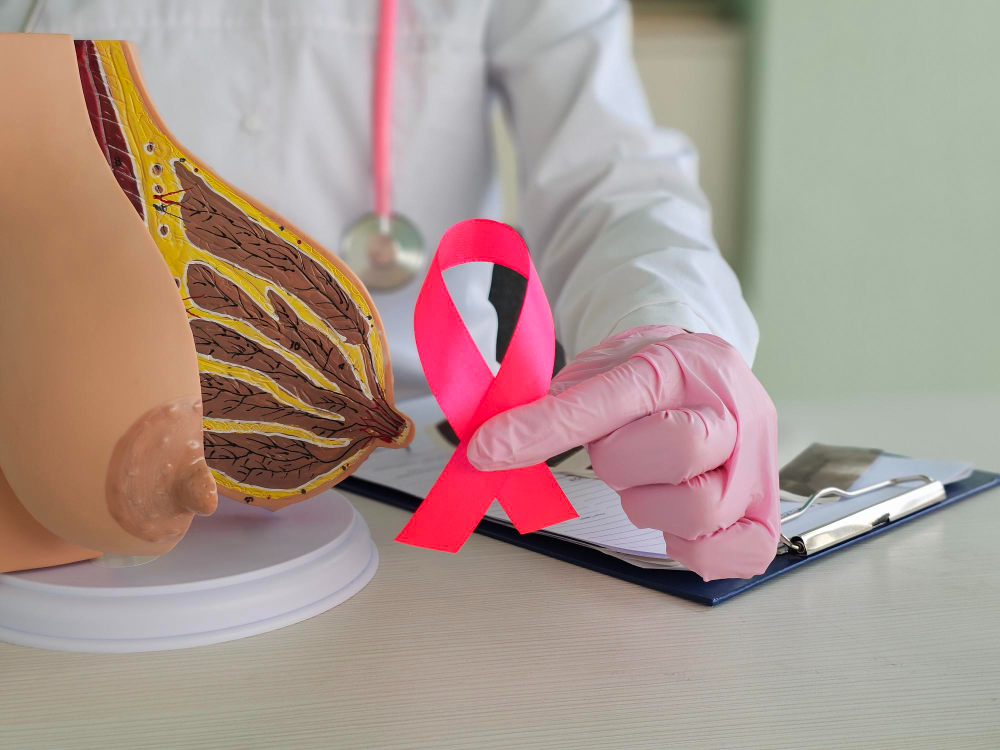
What Is Breast Cancer?
Breast cancer starts when cells in the breast grow out of control. These cells can form a lump or mass. Sometimes, they spread to other parts of the body. According to the World Health Organization, breast cancer is the most common cancer in women worldwide. However, men can get it too, though it is rare. Early detection of breast cancer can make treatment easier and more effective.
Importance of Breast Cancer Awareness
Breast cancer awareness means knowing the risks, signs, and ways to find cancer early. When people know what to look for, they can spot changes sooner. As a result, more people get help before the cancer spreads. In fact, the CDC says early detection can save lives. For this reason, regular screening and self-checks are key parts of breast cancer screening recommendations.
How to Perform a Breast Self-Examination
Doing a breast self-exam helps you notice changes in your breasts. While self-exams do not replace mammograms, they are still helpful. Here are simple breast self-exam steps:
If you notice anything unusual, talk to your doctor. Even though most changes are not cancer, it is best to be sure.
Signs and Symptoms to Watch For
Knowing the signs can help with early detection of breast cancer. Not all symptoms mean cancer, but you should still get them checked. Common signs include:
Because these signs can have other causes, it is important to see a healthcare provider if you notice them.
When and Why to Get a Mammogram
Mammograms are special X-rays that help find breast cancer early. The American Cancer Society and CDC offer mammogram guidelines based on age and risk. For most women, breast cancer screening recommendations suggest:
Because mammograms can find cancer before you feel a lump, they are a key tool for early detection of breast cancer. If you have a family history or other risk factors, ask your doctor about the best plan for you.
Risk Factors for Breast Cancer
Some risk factors for breast cancer can be changed, while others cannot. Knowing your risks can help you make healthy choices. Common risk factors include:
Although you cannot change some risks, you can still take steps to lower others.
Tips for Reducing Breast Cancer Risk
While no method can prevent all breast cancers, healthy habits may lower your risk. You can try these tips:
Because early detection of breast cancer saves lives, following breast cancer screening recommendations is important.
Common Myths About Breast Cancer Screening
Many myths about breast cancer screening can cause confusion. Here are facts to clear up some common myths:
Because understanding the facts helps you make better choices, always ask your doctor if you have questions about breast cancer awareness or screening.
Conclusion
If you have questions about breast health or screening, Dr. Ramesh is here to help. Schedule a visit with our team to discuss your concerns and get personalized advice.